Turning Inward: Two Years of AOTM’s Artists in Residence
AOTM’s Artists in Residence initiative started in January 2024. Two years later, we have proudly concluded our 6th term.
Over the last 24 months: 3 groups per year of 3 artists each, meeting in weekly, virtual hour-long group sessions, with individual studio visits, cascades of messages, and countless other exchanges mixed in, finally culminating in a Curated Collection of artworks created over the term’s course, and the entrance of an artwork by each artist into the AOTM Collection.
Seasonal sprints follow a generally uniform structure and, through this structure, reveal their own unique attributes, which in turn inform the next one’s form. A measured tempo of communal repetition and difference.
When we began this program (see our inaugural essay), our goal was to establish a symbiotic, mutually beneficial relationship with the ecosystem that is our lifeblood, and to work with artists beyond our normal roster.
Driving that goal were some guiding principles:
1. The traditional gallery model will not suffice in this new landscape, nor do we have to be constrained by it
2. At the same time, some traditional concepts are worth revisiting and modifying to fit the different but urgent needs of our growing ecosystem
3. Our space is still early, and we want to nurture and amplify the spirit of freedom and its core, while introducing and developing some professional best practices to help artists grow
What started as an experimental initiative has become a steady, nurturing wellspring.
Here now with the virtue of hindsight and two years of empirical data, some learnings have taken shape regarding the experiences of digital artists and the larger ecosystem as a whole:
1. Focused time together is a luxury.
Spending an hour together to engage with a specific topic – whether how to describe one’s art practice, or different art historical mediums – is a great use of time, and despite all of our perpetual “togetherness”, one that is seldom truly pursued. The feedback from many artists was that these carved-out, dedicated sessions were refreshing, reviving, and meaningful.
2. Critique is a gift.
Likes, prices, and impressions are not the same as critical feedback. We have powerful sources of relevant public data, yes, but we should not forget the less binary, more textured kind, too. Our residents all “opened their studios” and minds to us and to each other, generously, and together we developed new modes of conveying and evaluating creative practices and ideas. We incorporated increasingly more of this throughout the terms, at the artists’ request.
3. It is All Art (History)
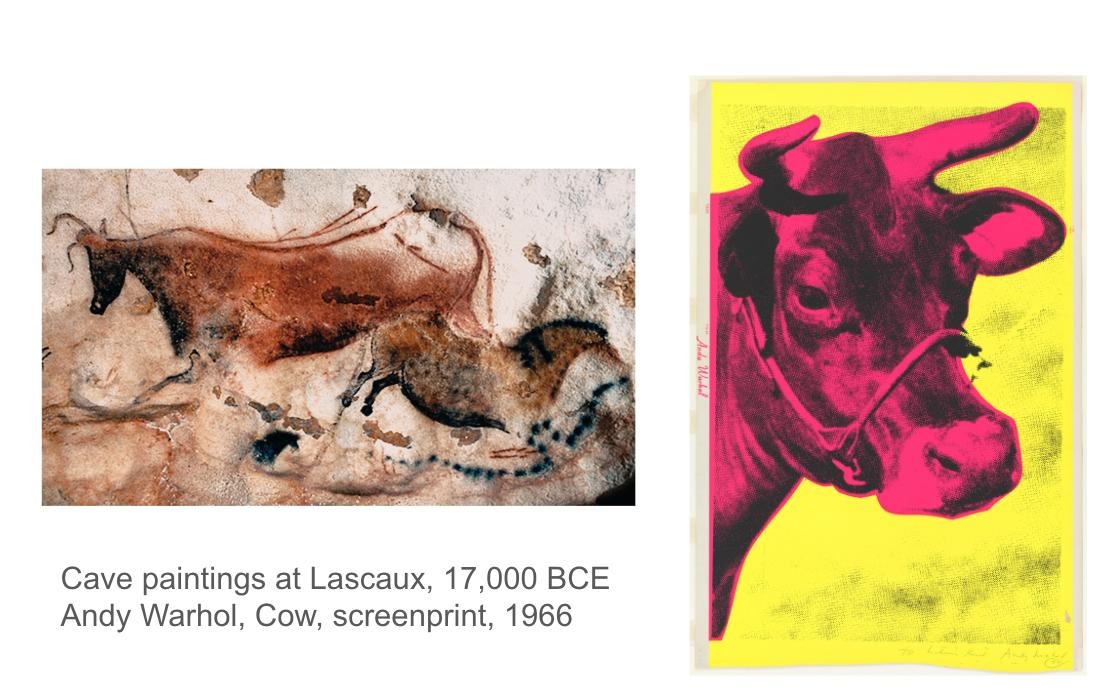
While we originally intended to focus on specific professional development (messaging, studio visits, sales structure), we eventually expanded to include some art history blocks (with special thanks to Justin Gilanyi). While this was, of course, quite high level (a few hours can’t do such a broad, global theme real justice), many artists reported this as a highlight of the term. We look back to look forward, and the art today – no matter its specific ecosystem – is absolutely participating in a longer and larger conversation about aesthetics and the human urge to create. It’s worth learning more about what has been said. As the adage goes, the more you look, the more you see.
Two years later, what does success look like?
The program has grown beyond what we originally conceived of, with many of the residents becoming part of the gallery, either as represented or managed artists. We have organized 6 Curated Collection sales, featuring beautiful, timely artwork and making artists money (some ATHs too). We are proud of developing a recognized program of note, one that (we hope) has inspired others.
For a true sense of success, though, perhaps 2 years is not enough; perhaps the real measure of success will come much farther down the line, when initiatives like ours are no longer adequate, when the space has outgrown us. Of course, we hope to grow along with it.
Perhaps that’s the time horizon and outcome that we should be focused on. Indeed, it’s a marathon, not a (seasonal) sprint.
The introspective mood prompted by a milestone such as this (which fittingly comes in the first month of the new year) has notably carried over in the artworks created by the cohort that prompted it: AiR VI – RJ, Perfectloop, and DeltaSauce.
While the Curated Collection sales never follow a specific, mandated theme, we do work with the artists individually throughout the duration of the term to nurture collection concepts and to see their vision through. The ultimate goal is a cohesive collection of at least 3 new artworks, offered in a mix of auctions, open editions, and bidder’s editions, according to each artist’s preference. We foster an environment of collaboration and networked generosity; influence is surely unavoidable, but never overtly curated.
In the case of this group, however, their works – whether intentionally or not, and despite major differences in style and process – share a sense of psychological inward-looking that rhymes not only with our own. This self-reflection, as presented by these 3 artists’ works – into our own souls or our own screens, or perhaps, into our own souls via our own screens – seems to speak to a larger reckoning afoot in the current moment.
Our recent history seemingly presents a dissonance – wins among losses, leaps forward tempered by steps back. The future is both bright and extremely, alarmingly unclear. There is a peculiar incoherence as to the state of the world. All generations say something to this effect that may be true. But those of us alive today have a gluttonous abundance of ways to say it and to escape it.
And so, in relief and in examination, we turn inward, to ourselves.
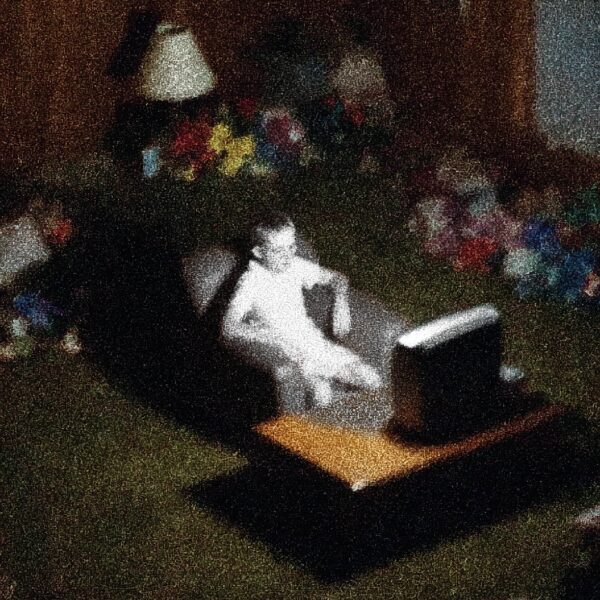
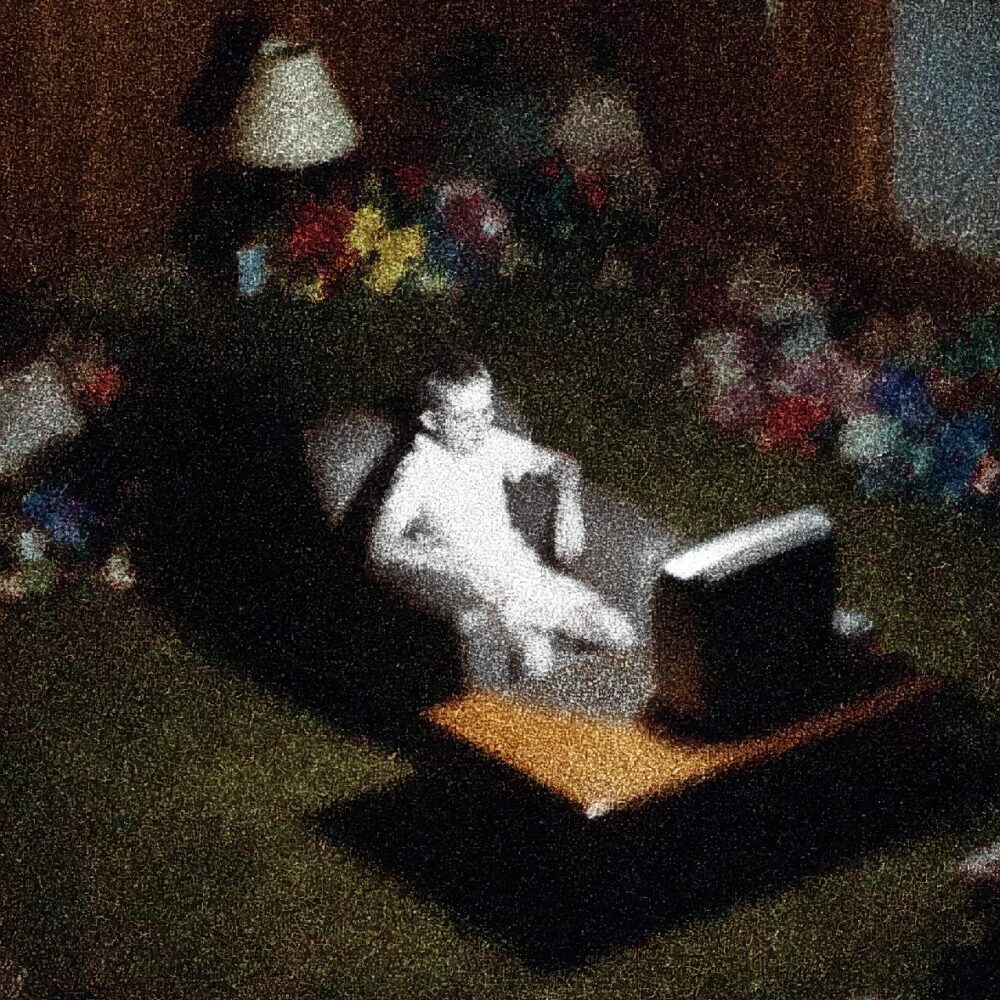
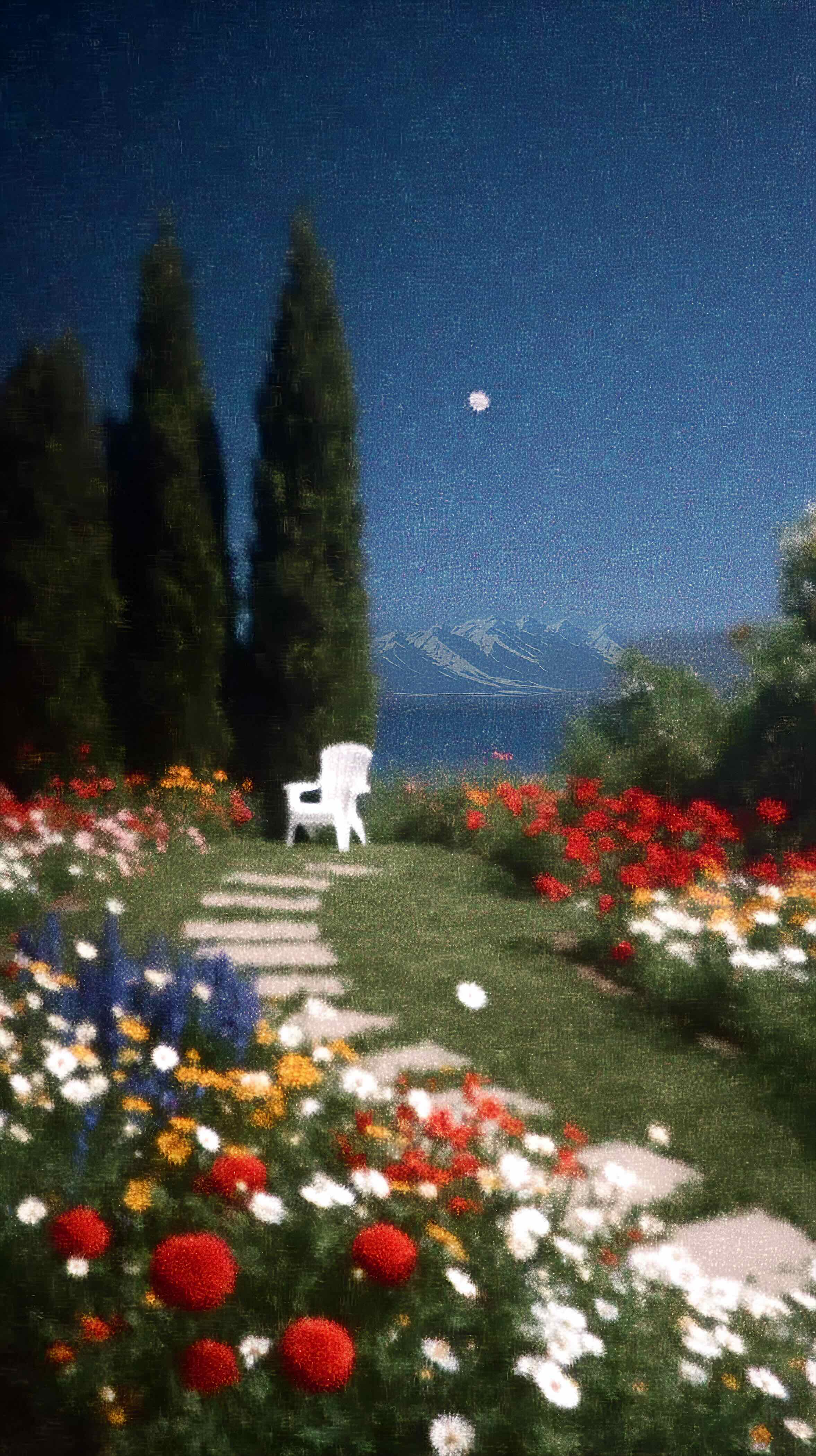
DeltaSauce has been working with AI since 2021. AI is, of course, a major contributor to the strangeness we are experiencing today. Are we at the precipice of unprecedented abundance, productivity, and ease-of-life beyond our wildest, mortal dreams? Or are we staring into a black mirror of de-skilled slop, our worst human attributes at an ungodly scale? Arising from lengthy conversations with his models – communicated in visuals and text – DeltaSauce offers a nuanced counterpoint to these polarizing scenarios, utilizing precisely the technology whose ramifications on humanity his works both refute and embrace.
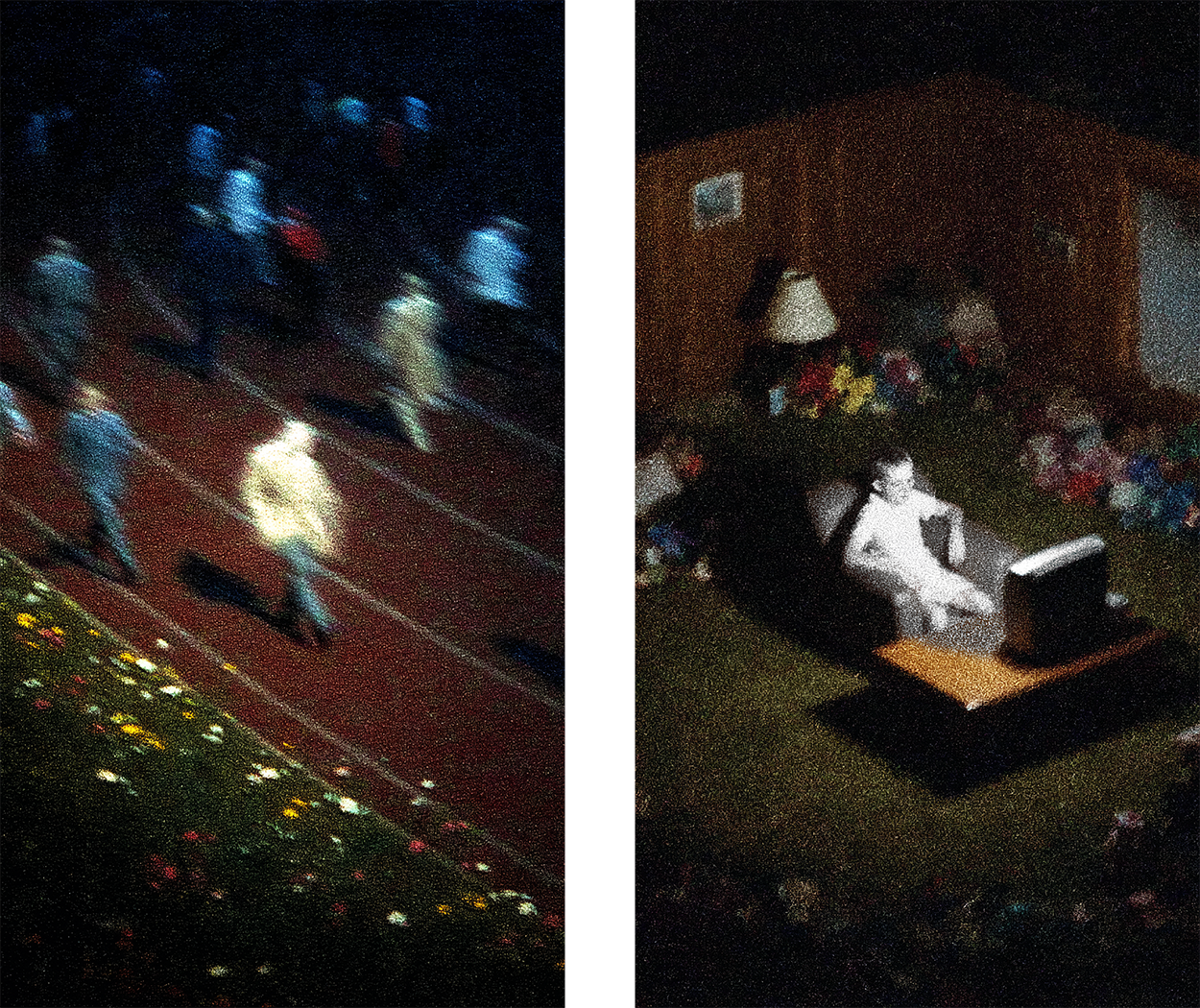
His three works – two 1/1s and and an open edition, which will be used for burn-to-redeem for three subsequent “chapters” throughout 2026 – present different modes of contemporary existence: supernatural screen rapture and internal imprisonment; the sisyphean plight of modernity, autopilot and on-the-go; and then, finally, a pastoral scene for us to rest our bones and smell the flowers. Take a seat, he beckons, sit this one out. Recall yourself.
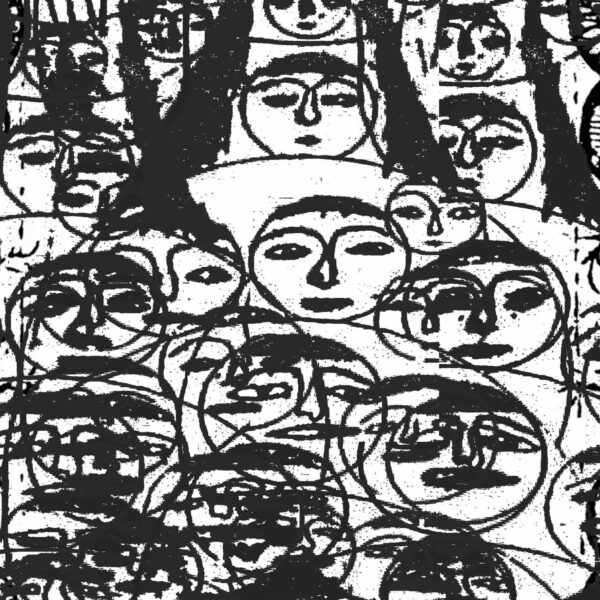
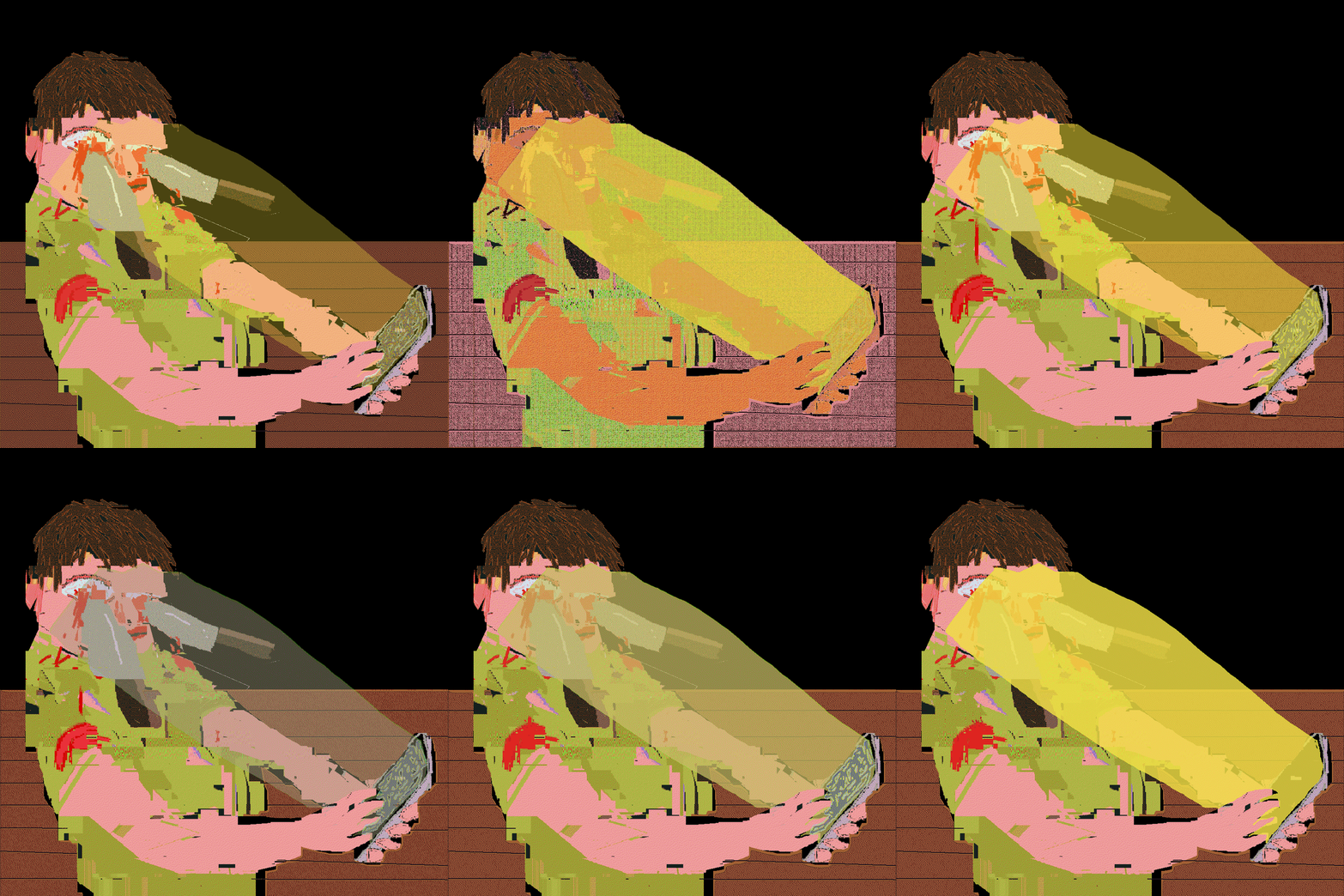
RJ approaches the individual today with pathos and slippery naivete. It seems that his subjects – soulful, clumsy, vulnerable – would collapse under the weight of the world if rendered in anything more sophisticated than the expressive, absurd strokes of his pixel paintings. He makes us laugh at the sound of our own hearts breaking. Dolorosa comedia.
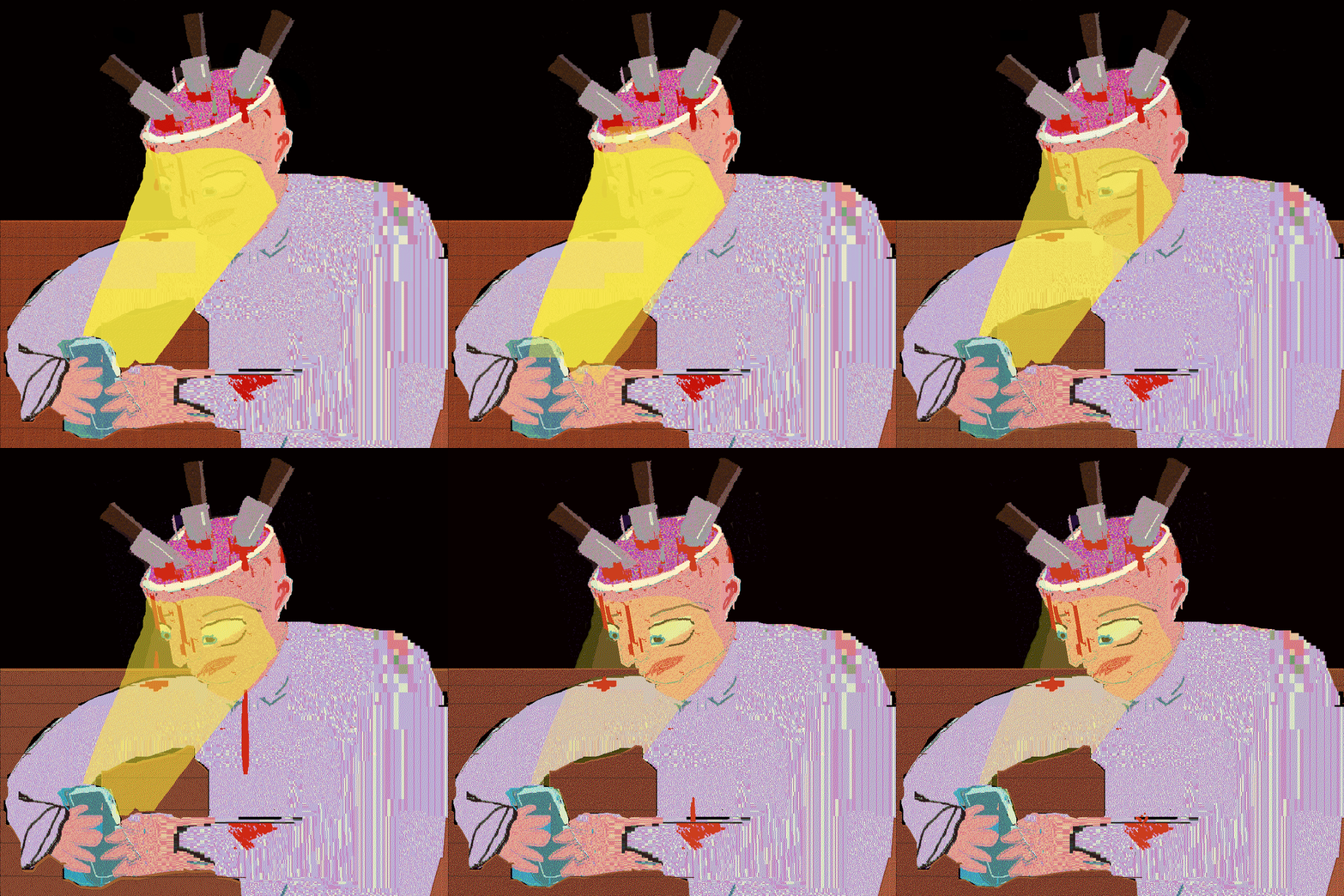
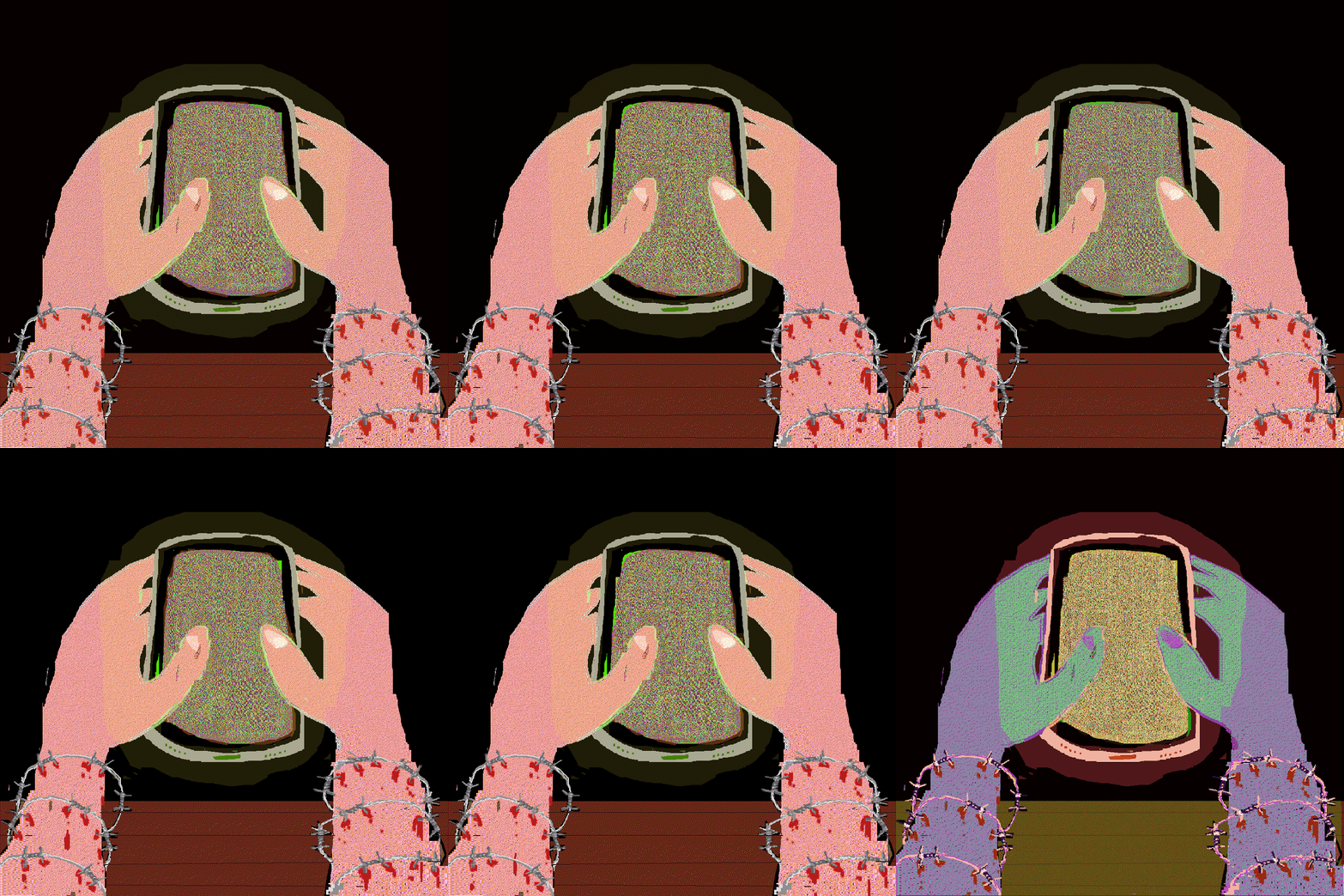
His three works here, two 1/1s and an open edition, visualize the mundane numbing of our screens. We, tech-neck-wretched, looking down in possessed servitude at our little portals to destinations unknown and unnecessary. An oxymoron: numbing suggests a state of smooth brain, a lack, a lull, a nil. In RJ’s works, however, that numbing cuts, it draws blood. The prognosis may be worse than we thought, but at least our phones are charged. The world remains at our pricked fingertips. Chair-bound, wrists bound. Our blood flows like tears.
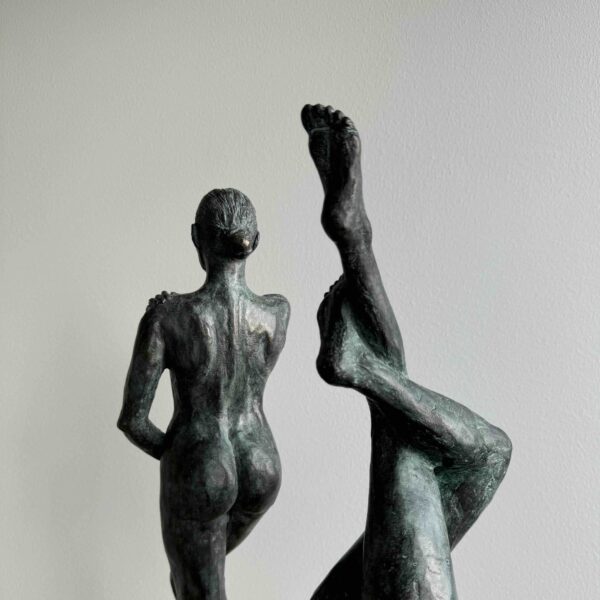
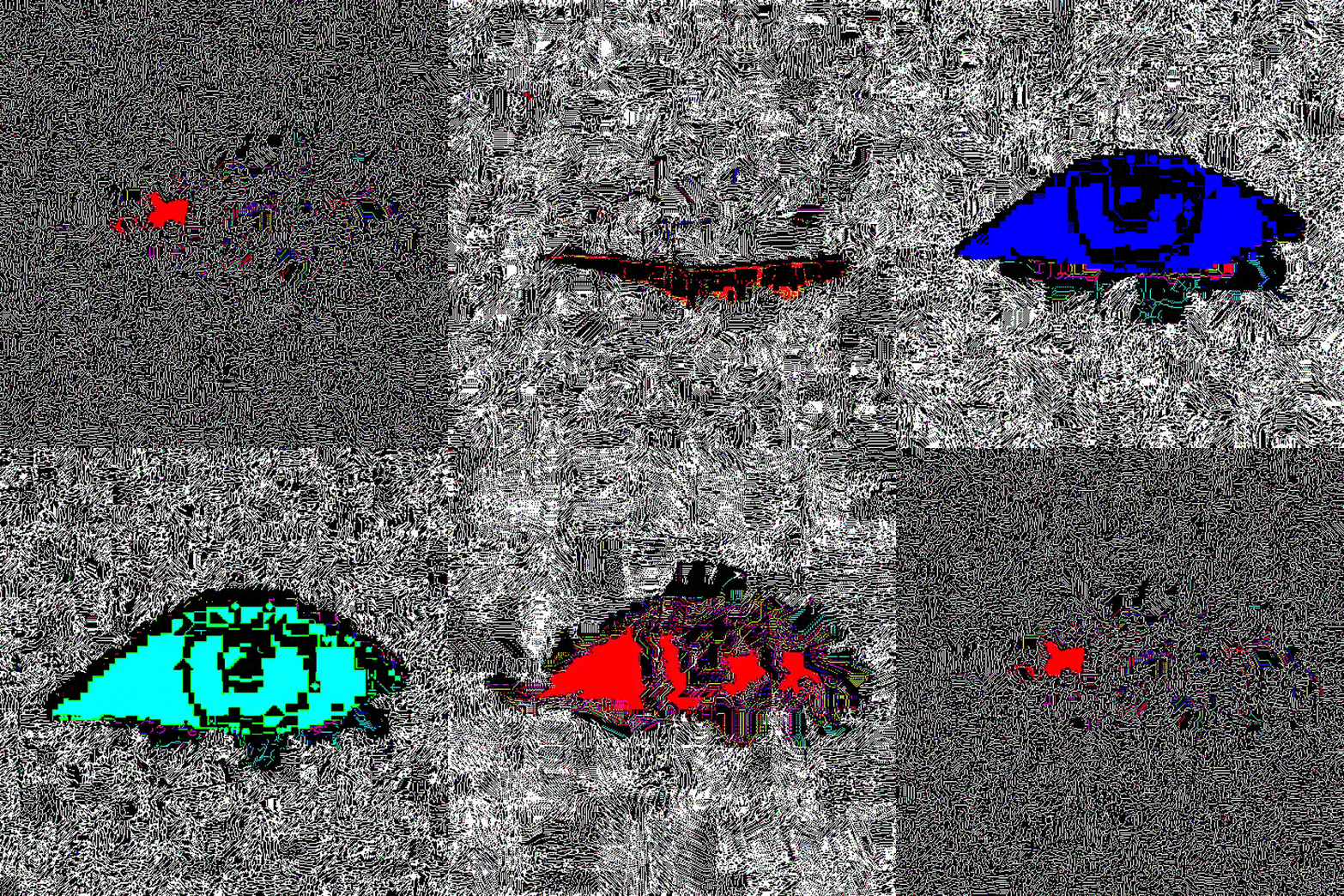
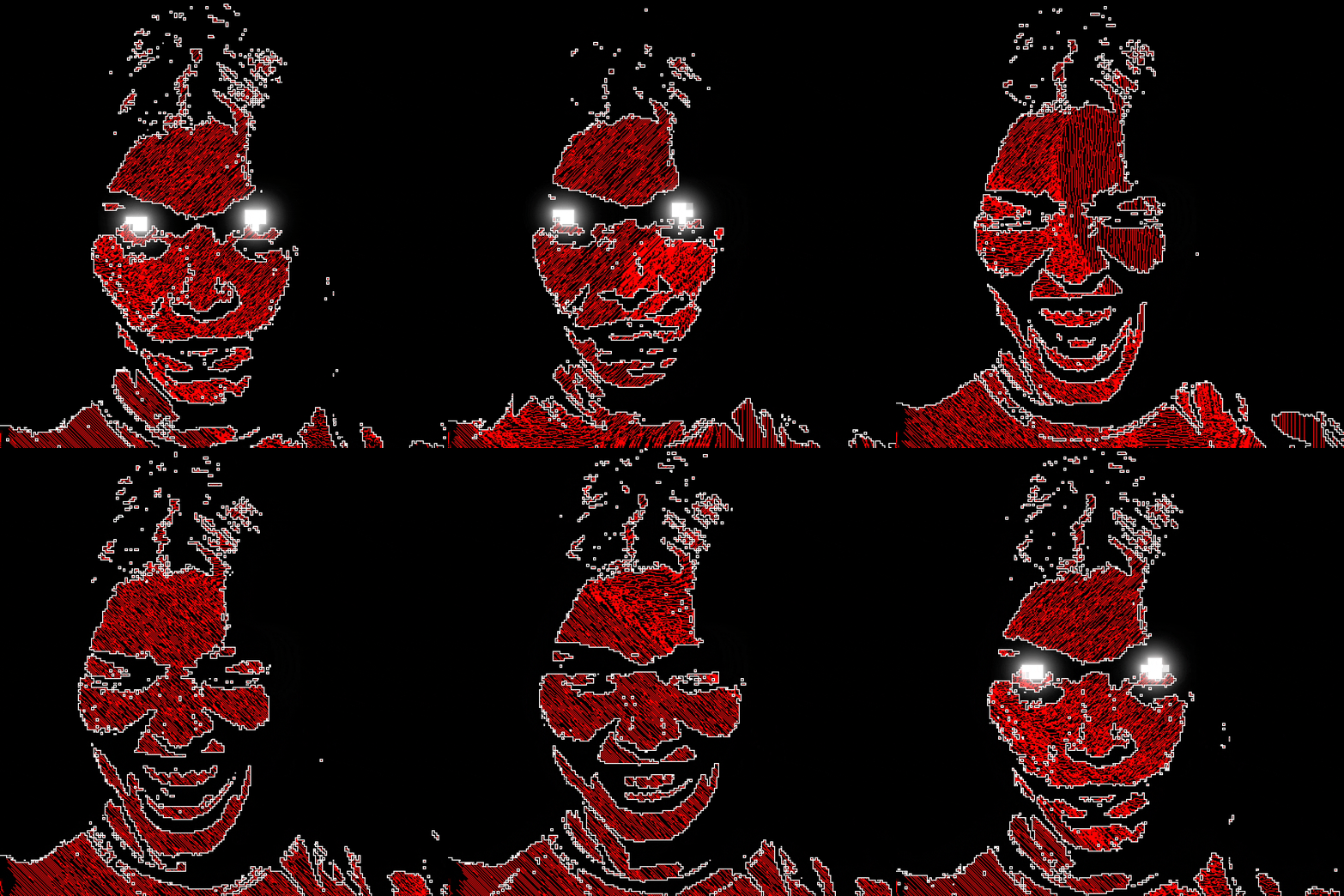
Perfectloop takes his brand of hypnotic nostalgia to another place altogether. Void of his normal, friendly Internet artifacts, his collection of 7 works – 6 1/1s and an open edition – offers a profound psychological and physiological expansion upon his previous animations.
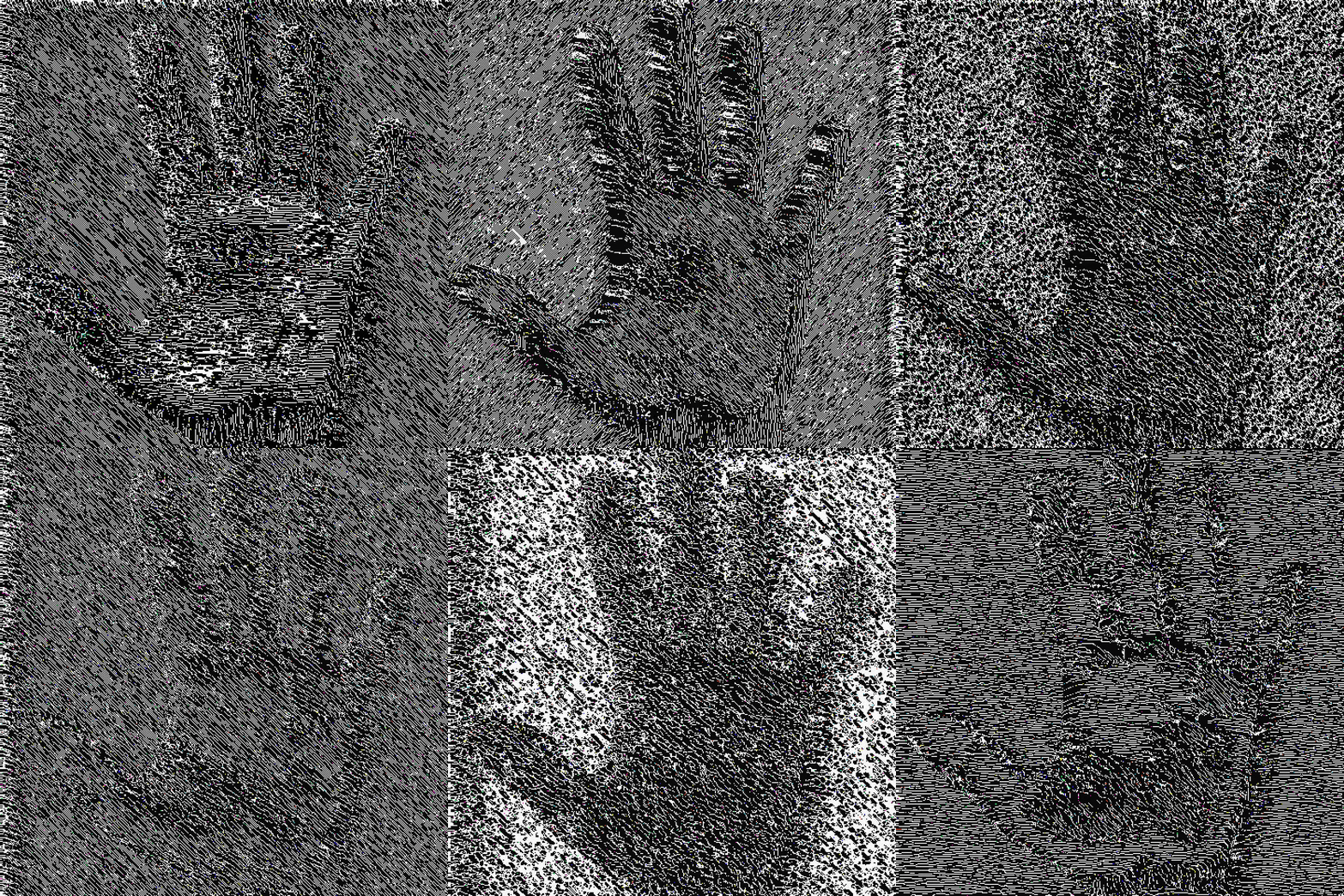
Body parts isolated from the human form stand in for the person. Eyes opening and closing, closing and opening. We can appreciate these on a purely formal level, yet their automated implication runs deeper; motion without trajectory is akin to being stuck. Other shifting forms, a pixel beyond legibility, appear from abstraction, only to retreat, and then return. These looped visions of existence are stifling, claustrophobic, and mesmerizing. So, we scream into the ether. Perhaps through forging such seductively fearful visions into existence, a way out of such states of being is conjured.
Thank you to these artists, and to all the AiR artists who have shared their time and their visions with us over the past two years. More to come.
*** Special thanks to Casey Coyle, who has been part of our weekly sessions for the past 6 terms, as well as to Justin Gilanyi, who, as I previously mentioned, developed our art historical content.